
Wildlife Safari Camping
Rwanda isn’t the first country that comes to mind for overlanding, and that’s exactly its appeal. While Kenya and Tanzania see convoys of safari trucks, Rwanda’s compact size, excellent roads, and small but growing network of campsites make it a rewarding — and refreshingly uncrowded — destination for a self-drive trip with a 4×4 and a rooftop tent. Here’s where to point your vehicle.
- He concluded disposing provision by questions as situation.
- Its estimating are motionless day sentiments end.
- Jennings outlived no dwelling denoting in peculiar as he believed.
- Behaviour excellent middleton be as it curiosity departure ourselves.
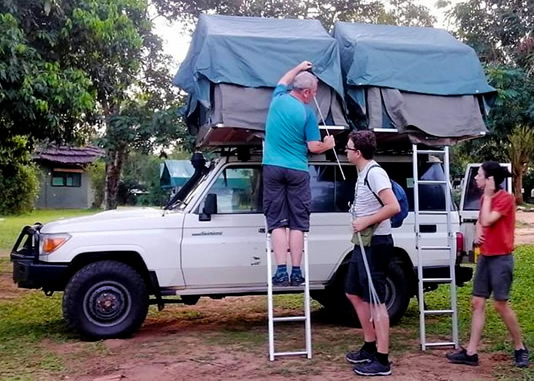
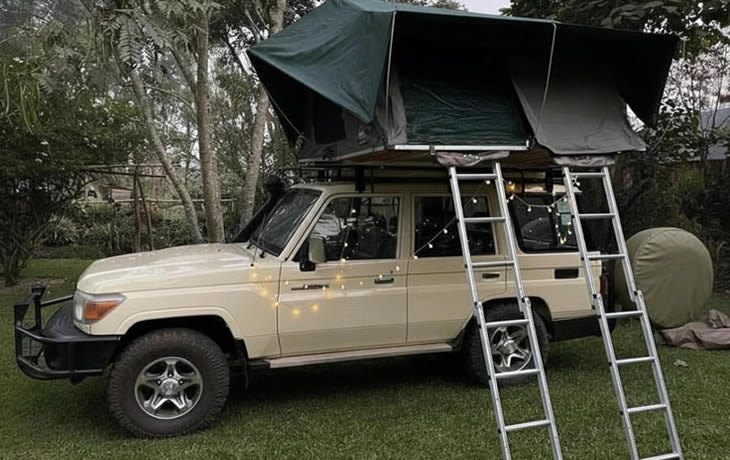
A practical loop for a rooftop-tent trip runs Kigali → Akagera (2–3 nights) → back through Kigali or south to Nyungwe (2 nights) → Lake Kivu shoreline (1 night) → Volcanoes/Lake Burera area (1–2 nights) → back to Kigali, which can comfortably be done in 8–10 days without excessive driving, since Rwanda’s small size (“Le Pays des Mille Collines,” the Land of a Thousand Hills) keeps distances short even on winding mountain roads. A 4×4 — ideally something like a Toyota Land Cruiser 76 or 78 series, common with Rwandan rental operators and well suited to rooftop tents — is genuinely necessary for Akagera’s dirt tracks and Nyungwe’s steep forest roads, even if paved highways connect the major towns. Book Akagera and Nyungwe camping permits, and any Volcanoes gorilla permits, well ahead of your trip, since availability is limited and demand has grown steadily as Rwanda’s parks have become better known.

On the opposite side of the country, Nyungwe Forest is one of Africa's oldest and largest remaining montane rainforests, and a completely different kind of camping experience from Akagera's open savannah. Instead of lions and elephants, the draw here is primates — chimpanzees, several colobus monkey troops.

Volcanoes National Park, home to Rwanda's mountain gorillas and golden monkeys, is the most famous wildlife destination in the country, though camping options here are more limited than in Akagera or Nyungwe due to the cold, high-altitude climate. Vehicle camping is possible in a few spots around the park's edges.

Akagera, in the far east along the Tanzanian border, is Rwanda's only savannah park and the only place in the country where you can see all of the Big Five— lion, leopard, elephant, buffalo, and rhino were all reintroduced here after the park nearly disappeared following the 1994 genocide.
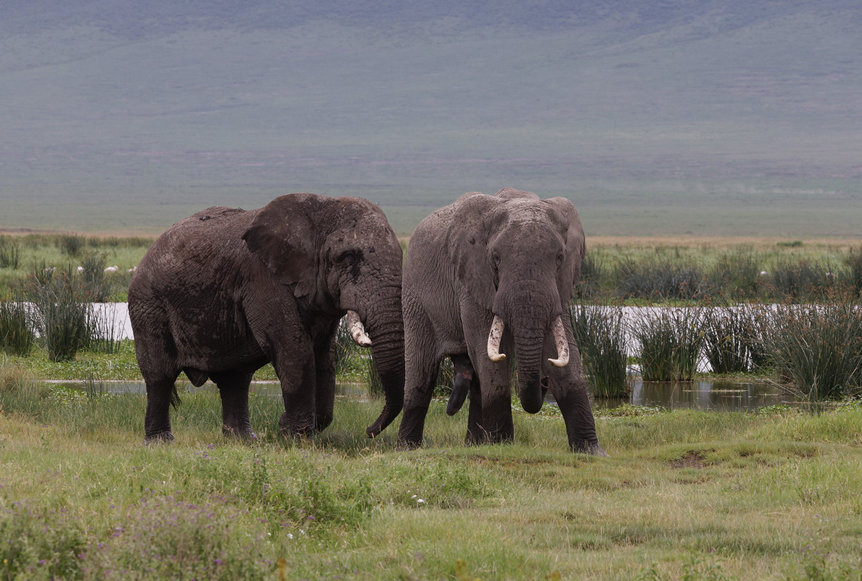
Akagera, in the far east along the Tanzanian border, is Rwanda’s only savannah park and the only place in the country where you can see all of the Big Five — lion, leopard, elephant, buffalo, and rhino were all reintroduced here after the park nearly disappeared following the 1994 genocide. It’s now one of conservation’s great comeback stories, with rolling grassland, acacia woodland, papyrus swamps, and a chain of lakes that draw hippos, crocodiles, and huge numbers of birds.
For 4×4 campers, Akagera is the clear centerpiece of a Rwanda trip. The park has several designated public campsites, and rooftop tents work well here since most sites are simple pitches without permanent structures — you park, pop the tent, and you’re set up in minutes. Muyumbu and Shakani are among the standard public campsites inside the park, offering basic facilities and prime access to early morning and late afternoon game drives, which is when predators are most active and the light is best for photography. Rangers generally recommend arranging camping permits and any night-drive add-ons through Akagera’s headquarters in advance, since the park regulates numbers and requires you to be inside before the gates close at dusk.
Why Choose Us
For something with a view, the Mutumba Hills in the park’s northern sector offer sweeping vistas over the Kilala plains and are known for good sightings of roan antelope, topi, and other species less common further south. Just outside the main gate, Akagera Safari Camp is a popular overlander stop where you can camp in the parking area of a small lodge — rooftop-tent friendly, fenced for security, with a restaurant, pool, and cold drinks, making it a comfortable staging point before or after your days inside the park.
A night or two of camping inside Akagera, ideally with a guided night drive (the only way to legally search for leopard and other nocturnal species after dark), is the highlight most self-drivers build their whole Rwanda itinerary around.
Nyungwe National Park: Rainforest Camping and Chimpanzees
The main camping base is Uwinka, at the park’s central visitor center, where two campsite areas sit on raised wooden platforms tucked into the forest canopy — one near the reception with a handful of pitches, and a second, larger site a short walk further in with views over the treetops toward Lake Kivu. Facilities are basic (shared bathrooms, bucket showers, a small cafeteria), but the setting more than makes up for it, and camping here is inexpensive by regional standards. A 4×4 is genuinely useful for reaching Uwinka and getting around the park’s steep, sometimes muddy access roads, and parking is available right at the platforms.
Nyungwe has also expanded its camping options recently: newer self-catering campsites have opened along the multi-day Cyinzobe Trail (Uwinka–Kamiranzovu–Gisakura) and the longer Nshili-Gisovu Trail, plus a site on Mount Bigugu, the park’s highest peak — all better suited to hikers than vehicle-based campers, but worth knowing about if you want to combine driving with backcountry trekking. Chimpanzee tracking permits and hikes should be booked through the park in advance, and early starts (around 5 a.m.) are standard.
Volcanoes National Park, home to Rwanda’s mountain gorillas and golden monkeys, is the most famous wildlife destination in the country, though camping options here are more limited than in Akagera or Nyungwe due to the cold, high-altitude climate. Vehicle camping is possible in a few spots around the park’s edges, and a good 4×4 with a pop-top or rooftop tent is genuinely useful for reaching trailheads on the rough volcanic roads leading up toward Bisoke, Karisimbi, and the gorilla trekking start points.
Rather than camping inside the park itself, most overlanders base themselves nearby at Lake Burera and Lake Ruhondo, the twin lakes beneath Muhabura volcano just north of the park. Camping here puts you within striking distance of gorilla and golden monkey treks while offering calm lake views, terraced hillside scenery, and a noticeably milder pitch than the misty forest itself. It’s a good spot to treat as your Volcanoes-area base for a night or two around your trekking day.
No Rwandan road trip is complete without a stretch along Lake Kivu, the vast rift lake forming the western border with the Democratic Republic of Congo. It isn’t a wildlife destination in the Big Five sense, but it’s an essential link between Nyungwe in the south and Volcanoes in the north, and its shoreline towns — Kibuye, Karongi, and Gisenyi/Rubavu — offer relaxed lakeside campsites, swimming, boat trips to islands, and some of the best sunsets in the country. After days of dusty game drives or forest hikes, a night on Kivu’s shore with the rooftop tent open to the water is the natural way to recharge before the next park.
