Destinations to go – Rwanda Self drive Safaris
Rwanda punches well above its weight as a safari destination. It’s a small country, but within a few hours’ drive you can move between volcanic rainforest, savanna teeming with big game, and one of Africa’s oldest montane forests. Here’s a rundown of the four main parks and what makes each one worth the trip.
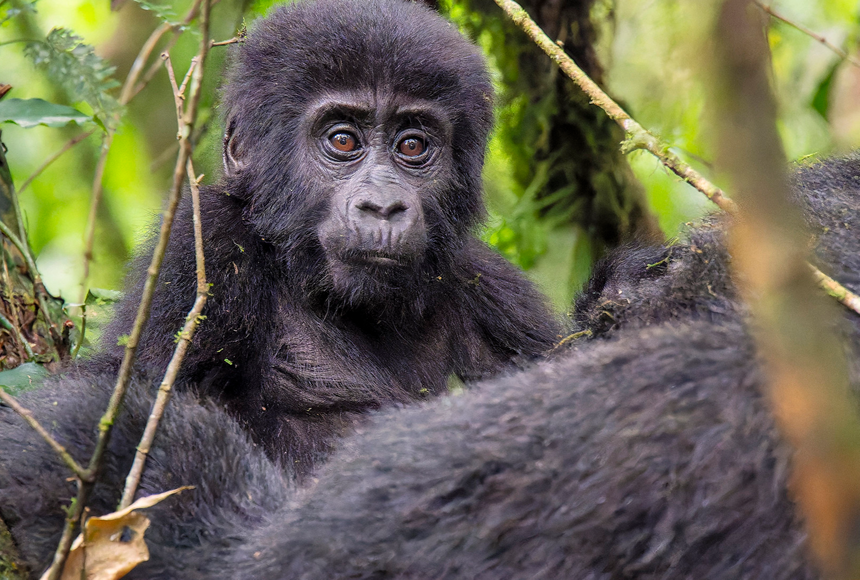
This is Rwanda’s flagship destination and the reason most visitors come in the first place: mountain gorilla trekking. Volcanoes National Park sits in the northwest along the Virunga Massif, a chain of dormant and active volcanoes shared with Uganda and the Democratic Republic of Congo.
The single most interesting experience here is trekking to see a habituated mountain gorilla family in the wild. Treks typically involve a few hours of hiking through bamboo forest and volcanic slopes before you spend a strictly limited hour in the presence of a gorilla group — watching silverbacks, mothers, and playful juveniles at close range. It’s an intense, quiet, almost emotional encounter, partly because mountain gorillas are so rare (a global population numbering only in the low thousands) and partly because Rwanda has made their conservation a genuine national priority. Read More
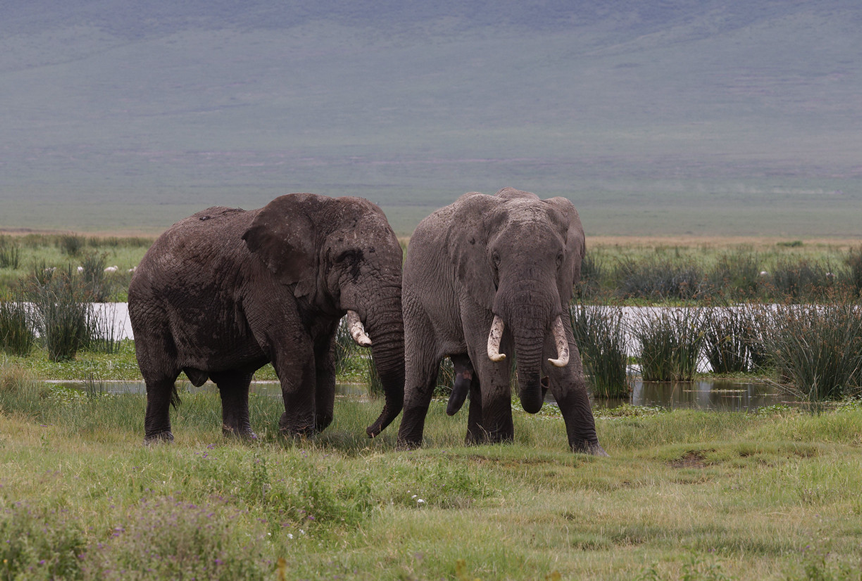
If you want a classic savanna safari — game drives, big herds, predators — Akagera in the east, along the Tanzanian border, is where to go. It’s a savanna and wetland mosaic of rolling hills, acacia woodland, papyrus swamp, and Rwanda’s largest lake, Lake Ihema.
The most interesting thing about Akagera is really its comeback story. By the early 2000s the park had lost nearly all its large predators to poaching and encroachment during and after the genocide period. Since 2010, a partnership between Rwanda Development Board and African Parks has reintroduced lions (2015) and eastern black rhinos (2017), making Akagera once again a genuine Big Five park — the only one in Rwanda. Seeing lions stalking through the savanna or a black rhino grazing at dawn, knowing both species were locally extinct within living memory, gives the wildlife here an extra edge of significance beyond the sighting itself.
In the southwest, Nyungwe is one of Africa’s oldest and largest remaining montane rainforests, and arguably the most biodiverse single park in Rwanda. It’s a dense, misty, high-altitude forest that feels quite different from both Volcanoes and Akagera.
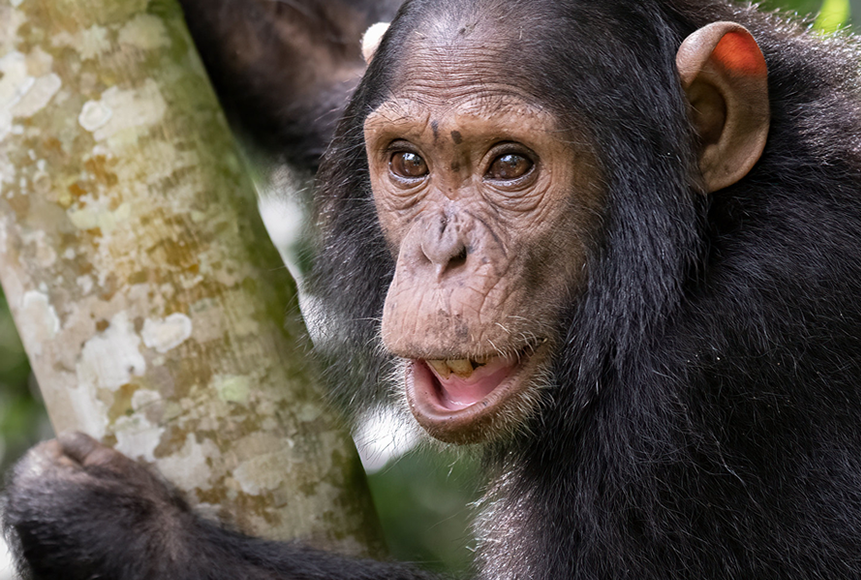
The most interesting draw here is chimpanzee trekking, paired with the park’s famous canopy walkway — a suspended metal bridge strung between treetops that lets you walk out above the forest and look down over the primates and birdlife below rather than always up. Chimp trekking in Nyungwe tends to be more physically demanding and less predictable than gorilla trekking, since chimpanzees range further and move faster, but that unpredictability is part of the appeal; tracking calls through dense forest and then finding a chimp group feeding or grooming high in the canopy is a real payoff.
Gishwati-Mukura National Park
Rwanda’s newest and smallest national park, gazetted in 2015, sits between Volcanoes and Nyungwe and links the two ecologically as part of a forest corridor. It’s much less visited than the other three, which is itself part of its appeal for travelers wanting something quieter.
The most interesting aspect of Gishwati-Mukura is its role as a restoration success story: much of this forest was degraded by deforestation, agriculture, and resettlement in the 1990s and 2000s, and the park represents an active effort to regenerate forest cover and reconnect fragmented habitat. It has a small, habituated population of chimpanzees along with golden monkeys and other primates, and because visitor numbers are low, treks here feel far more intimate and less crowded than those in Volcanoes or Nyungwe. It’s also a good base for community-based tourism, including beekeeping cooperatives and cultural village visits, giving it more of a local, grassroots feel than the flagship parks.
What really sets Rwanda apart as a safari destination isn’t size — it’s how compact and varied everything is. The parks sit close enough together, with decent roads connecting them, that you can realistically fit gorilla trekking in Volcanoes, a savanna game drive and boat trip in Akagera, and chimp tracking plus a canopy walk in Nyungwe into one trip lasting just a week or two. In most other African safari countries, covering that much ground would eat up way more time. A lot of people also tack on a night or two by Lake Kivu, tucked in the Rift Valley, as a relaxed stopover between the northern and southwestern parks.
A few things worth knowing before you go: gorilla permits aren’t cheap — anywhere from several hundred dollars to over a thousand, depending on your residency — and only a limited number are issued each day, so book early, ideally months out if you’re traveling in peak season. The dry stretches (roughly June through September, then December through February) make for easier trekking, since the trails turn muddy and slick once the rains hit. That said, the wet season has its perks too — everything’s greener and there are far fewer other visitors around. Altitude is another thing to factor in up north, since both Volcanoes and Nyungwe sit high enough that trekking takes real effort, so it helps to be in decent shape, more so than you’d need for a standard game-drive safari.
If you had to sum up each park in a phrase: Volcanoes means gorillas, Akagera is about the Big Five making their comeback, Nyungwe is chimps and treetop views, and Gishwati-Mukura offers something quieter — community-driven forest restoration. Put together, they give Rwanda a safari character that’s less about huge herds sweeping across plains and more about close, well-guided encounters with some of the rarest primates on Earth, set against a genuinely uplifting conservation story.